

Understanding How Legal Load Limits in the United States are Set
Each area's infrastructure is a determining factor in the legal limits for load specs, mostly due to physical constraints such as the width of the roads, bridge heights, and road weight limits. While there is some variety, it's safe to say that the older the infrastructure, the lower the limits will most likely be.
Planning your route will help you identify areas to avoid, or sections that you will need to confirm limits on to ensure that your load is within legal boundaries. If not, you could need a permit for an oversize (OS) load, and the process for applying also varies depending on the region.
National Network (NN) vs Non-Designated (Non-NN)
The National Network and National Highway System make up about 200,000 miles of roads across the United States. They are subject to Federal laws.
Non-designated roads include non-Interstate highways and local or states roads. The States control vehicle sizes and weights on those roads.
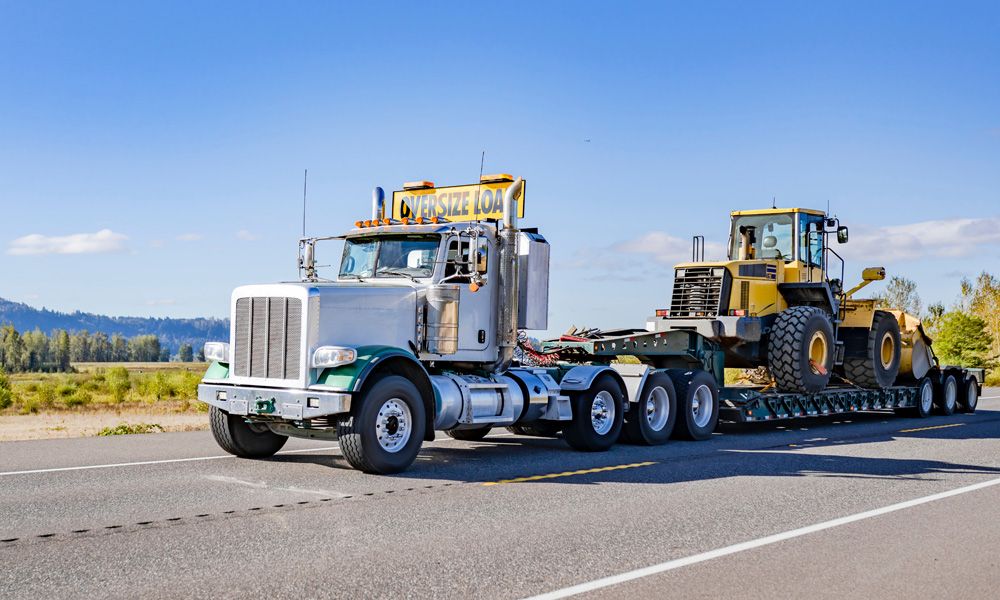
Legal Freight Weight Limits based on Type of Trailer
Per the DoT, the federal legal weight limit for vehicle and freight is 80,000 lbs. total gross on interstate roads, although some states have laws on high-Interstate roads that exceed that.
When looking at the 80,000 lb. limit, it means that the maximum freight weight must be 80,000 minus the weight of the vehicle, and that includes pallets and packaging as well. However, the weight breakdown is very dependent on how many axles your trailer has.
The reason why gross axle weight is such an important factor is because as the weight of the axle goes up, the damage done to a road goes up by a factor of four. Gross axle weight limits are strictly enforced as a result.
For example, a properly loaded tractor-trailer at maximum weight will have 12,000 lbs. on the front, steer axle, and a maximum of 34,000 lbs. on each axle pair. It's very possible that if weighed, a truck could be under the maximum 80,000 lbs. and still be overweight on one set of axles; therefore subject to fines. Some trailers are able to work around that by utilizing axles that can be re-positioned under the trailer to redistribute the load and thus stay under the limit.
Some of the general gross weights for cargo, taking into account average weight of the vehicles, are:
- Flatbed trailer: 46,000-50,000 lbs. (varies depending on trailer model)
- Step deck trailer: 44,000 lbs.
- Conestoga trailer: 42,000 lbs.
- Curtainside trailer: 42,000 lbs.
- Expandable drop trailer: 40,000 lbs.
- RGN/double drop trailer: 38,000 lbs.
- Expandable RGN: 35,000 lbs.
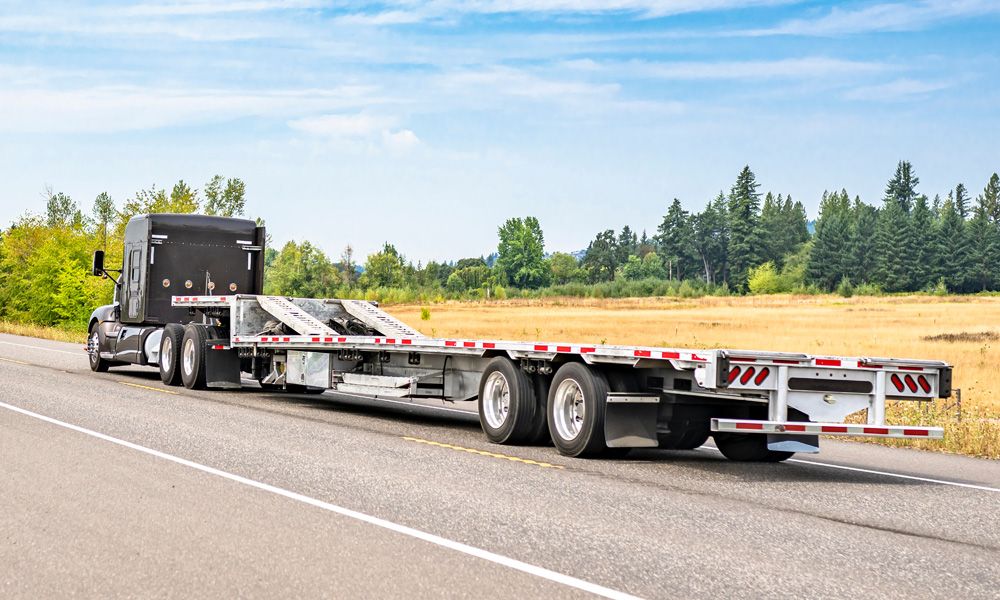
Legal Freight Height Limits
There's a national divide on legal height requirements for trailer and freight depending on where a state lies in relation to the Mississippi river. To the east, it's usually 13' 6", and to the west it's 14'. Knowing what states you will drive through could determine whether or not you will need additional permits for an oversized load.
Flatbed Trailers
Although a typical flatbed sits at 5' high, there are other models designed to accommodate tall cubes and taller freight.
Stepdeck Trailers
Stepdeck trailers sit around 3’ 4” off the ground, which allows for 10' 2" of freight and packaging.
RGN Trailers
RGNs (Removable Gooseneck Trailers) are designed specifically for hauling heavy equipment with easy on/off loading, so they are among the lowest types of trailer available. They usually sit 2' off the ground, allowing for 11' 6" of freight height.
Legal Freight Width Limits
By federal law, trailers have a width limit of 102" (8' 6"), not including safety devices such as mirrors and handholds. Freight must fall within that width, or be subject to oversize freight requirements.
Legal Freight Length Limits
By federal law, trailers can be 48' L or 53' L. The length of the cab or tractor is not included in that length, and if length of the commodity fits within the legal confines of the trailer, no additional permit is required.
Many states allow a small amount of overhang on a 48' flatbed trailer without permitting, usually up to 2' off the front of the trailer and 3' feet off the rear, similar to the allowances for smaller vehicles. However, that requirement varies by state and requires the freight to be self-supporting.
Generally, all overhang from a 53' trailer does require a permit.
Oversized Freight: Permit Required
If a load exceeds any of the limits for height, length, width or weight, an oversized permit is most likely required. Generally, you can expect to pay $100-$300 per state, even if your vehicle is oversized by more than one dimensions (such as overweight and too wide).
Breaking Up a Load to Avoid Oversized Freight Permit
If your oversized load can be divided up onto multiple trailers to avoid an oversized designated, you are legally required to break it up. If your load cannot be divided up, in the case of heavy equipment or machinery, for instance, when you can apply for an oversized permit at the state level before you leave your point of origin. The Federal government does not issue oversize permits.
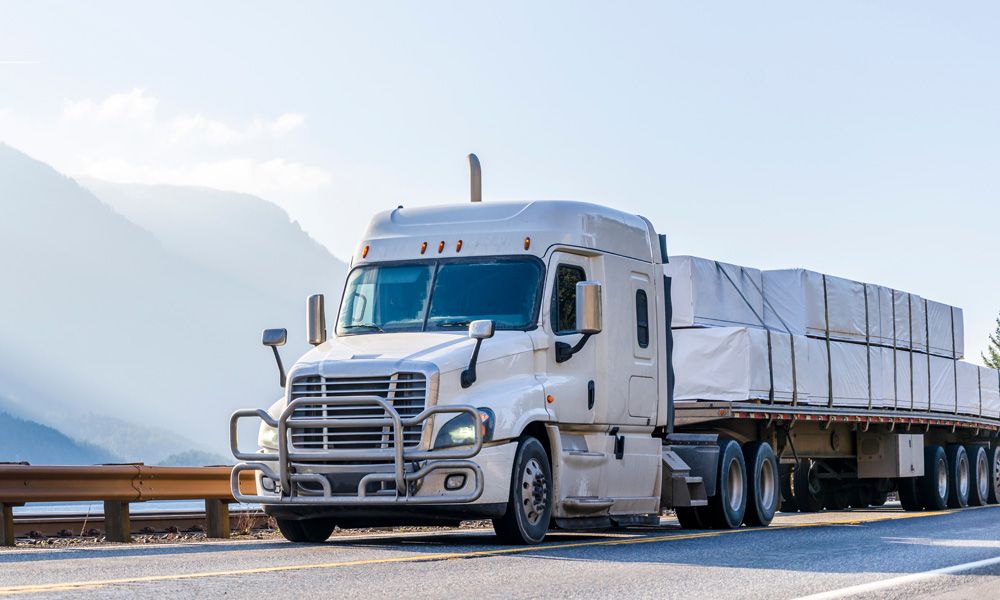
Before You Go: Spec Your Load Accurately and Plan Your Route
Regardless of the size of your freight, you should also make it a point to spec it out accurately before getting it loaded and shipped. The size, shape and weight will determine what trailer makes the most sense, as well as any dunnage, tie downs and tarps that you need to prepare to keep the load safe in transit.
Knowing the route beforehand, including what Interstates and non-designated roads you will be taking, will allow you to plan for any oversize state permits, weight limits, bridges and other factors that could cause fines, delays or damage to cargo on the way.


